
Give meaningful places a useful future.
We help historic buildings return to service through feasibility, stabilization, compatible design, and realistic project phasing.
Technical terms, explained plainly
Historic buildings are complicated. The language does not have to be.
Adaptive reuse
Giving a historic building a new use while protecting the features that give it character. An empty building becomes a restaurant; the character stays.
Phased rehabilitation
Doing the work in practical, fundable stages so a building can be secured now and improved over time.
Compatible storefronts
New storefronts designed to fit the building’s historic character without creating a false version of the past.
Historic tax credits
A funding tool that can help make the rehabilitation of a qualifying historic property more feasible. Available programs and requirements vary by location.
Proof, not adjectives
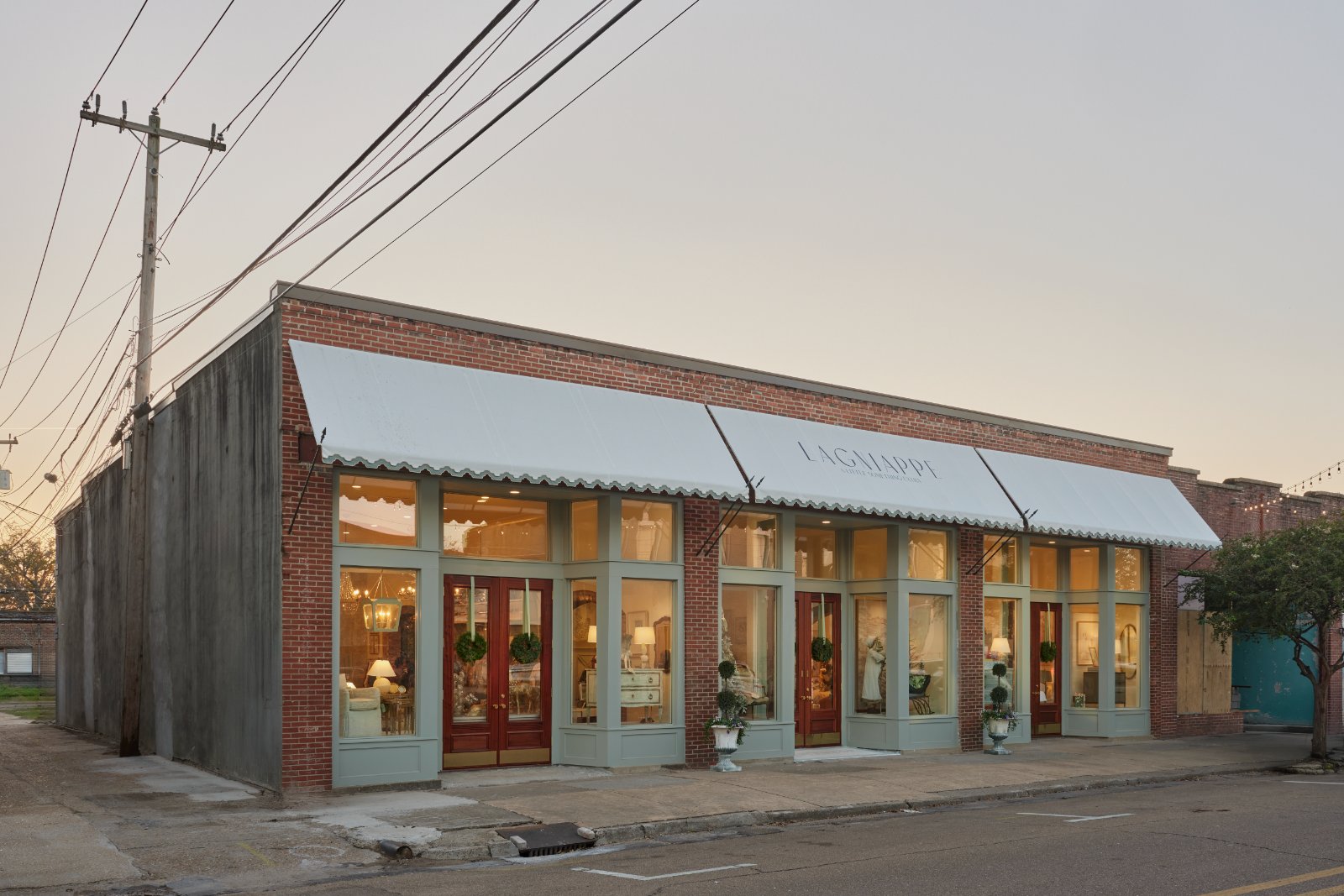
Downtown Leland Mixed-Use
Storefronts replicated from 1927 Flood photographs return three contiguous buildings to active retail as Lagniappe Leland — recognized by AIA Mississippi and the Mississippi Heritage Trust.
Grumpy Rabbit American Eatery
A dynamic adaptive reuse of the 1915 Joe P. Eagle Building that has since inspired other rehabilitations in the historic district and put Lonoke back on the map.
Ritz Theater
A 1938 movie house brought back in phases — restored facade and neon marquee, renewed lobby and auditorium, and a new conference center next door.
Have a building in mind?
Send us the address and a few photos. We will tell you plainly whether adaptive reuse is feasible and what the honest first phase looks like.